
Why Try Scuba Diving?
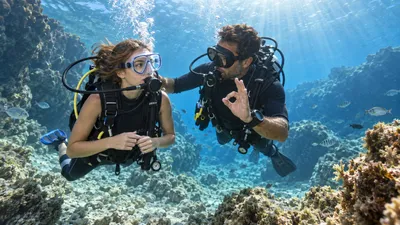
Getting started with scuba diving does not mean signing up immediately for a full course. A try dive lets you discover the first sensations underwater with a professional guiding you step by step. For both adults and teenagers, it is an easy way to find out whether breathing through a regulator, moving weightlessly and observing marine life appeal to you.
Scuba diving mainly requires curiosity, calmness and a willingness to learn. You do not need to know how to use all the equipment beforehand. If you enjoy the experience, you can then continue with a certification such as FFESSM Level 1, PADI Open Water Diver or SSI Open Water Diver, depending on your plans, location and preferred training approach.
Try Dive: What Happens?
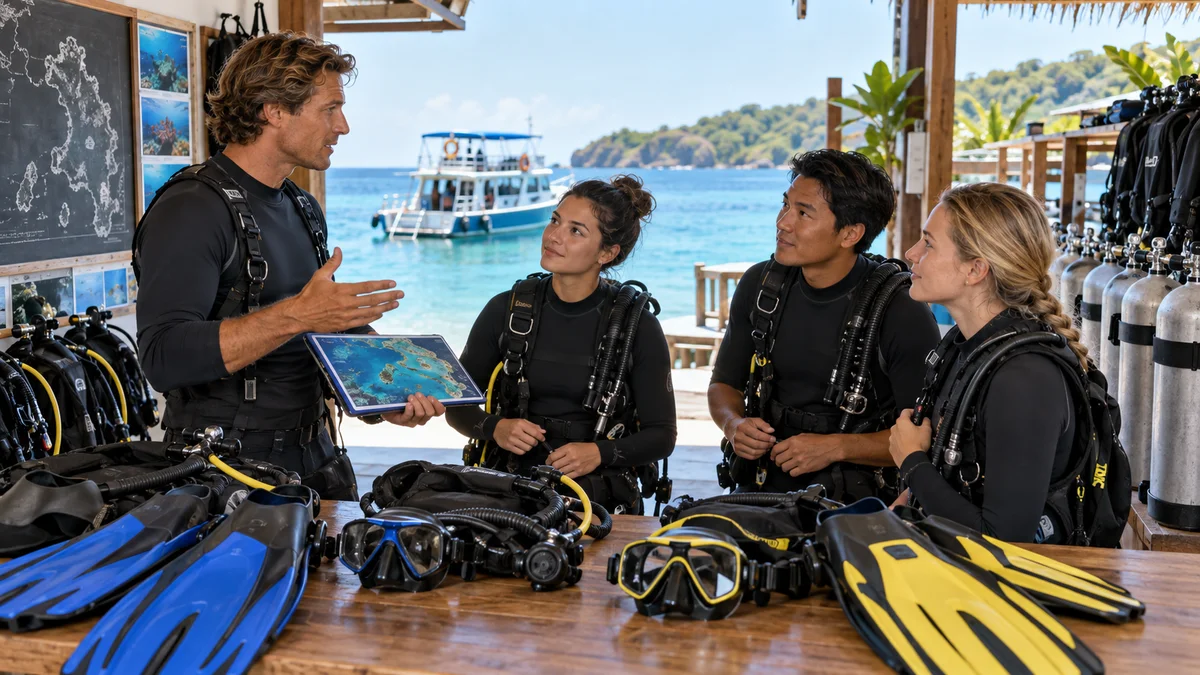
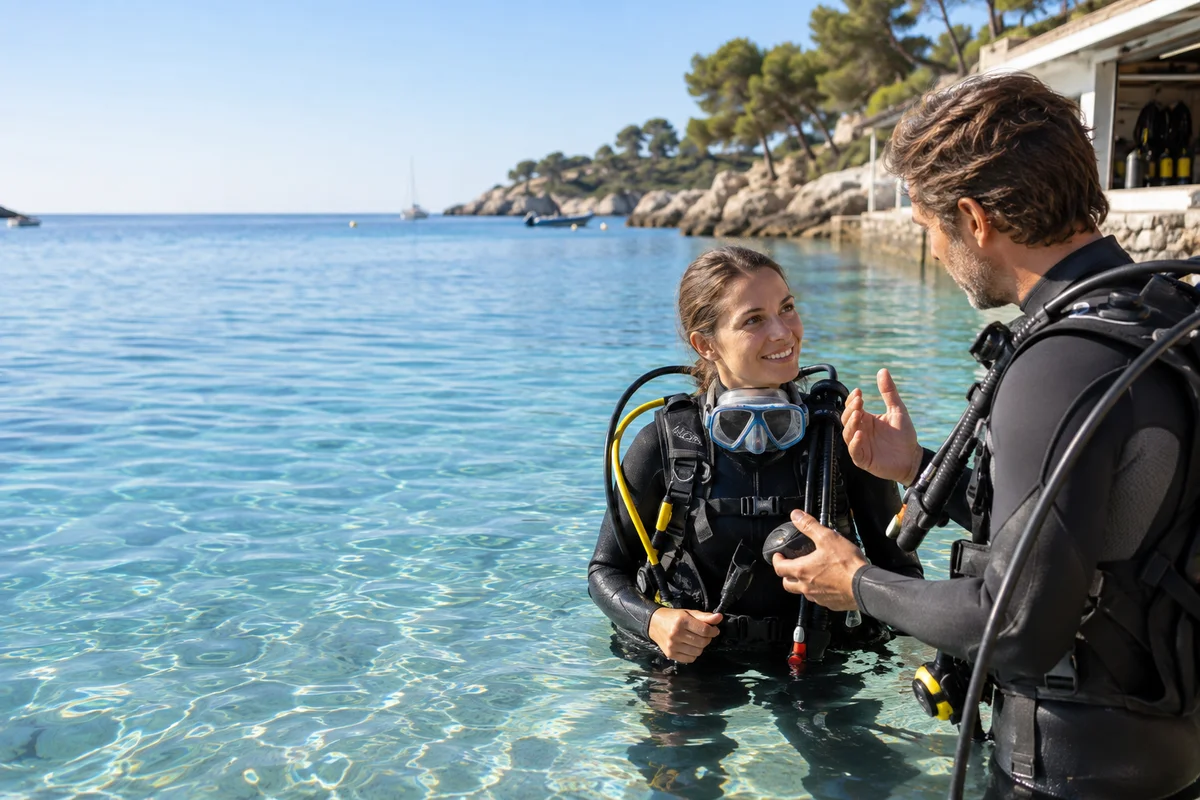
A try dive usually begins with a welcome and briefing. The instructor explains the equipment, how to breathe through the regulator, how to communicate underwater and how to equalize pressure progressively. Before entering the water, the instructor checks that you understand the essential instructions.
Once equipped, you enter the water with the instructor and take your first breaths through the regulator. Depending on the centre and site, this may be from a beach, pool or boat. The depth and pace are adapted to the session: the goal is to become comfortable underwater, not to reach the greatest possible depth. A try dive is an introduction, not a certification, and the necessary equipment is generally rented or provided.

Age, Health, Swimming and Requirements
Requirements depend on the programme. FFESSM Level 1 is available from age 12 under specific conditions, including parental authorization and the conditions set by the training centre; otherwise the programme is available from age 14. A medical certificate of no contraindication to diving is required for this course. The FFESSM pathway suggests around five dives in natural water, with four natural-water dives to be validated, and allows a Level 1 diver to dive under supervision down to 20 m.
PADI Discover Scuba Diving has a minimum age of 10. Current standards allow a maximum depth of 6 m in confined water and 12 m in open water. PADI Open Water training includes, among other requirements, a 200 m swim and 10 minutes of survival flotation. Health should be taken seriously: disclose relevant conditions, and seek medical advice when required, particularly for ear or sinus problems or conditions that could affect exercise or pressure equalization.
FFESSM Level 1, PADI Open Water and SSI: A Neutral Comparison
FFESSM Level 1 is particularly relevant if you plan to dive in France within the French federation system. It teaches the fundamentals of diving and permits supervised diving down to 20 m. PADI Open Water Diver is an internationally recognized certification built around knowledge development, confined-water practice and open-water dives. SSI Open Water Diver follows a similar structure, combining theory, confined-water training and four open-water dives, with an 18 m maximum training depth.
There is no universally “best” certification. Compare recognition, the centre and instructor, the amount of training included, equipment, certification fees and your plans for diving in France or abroad. The quality of instruction and the suitability of the learning environment often matter more than the agency name alone.
Realistic Budget in 2026: Variable Prices and Dated Examples
Scuba diving costs vary considerably by region, boat or shore access, equipment included, administration fees and the exact training package. The following 2026 prices are concrete observations, not a national average. Babou Côté Océan in New Caledonia lists a try dive at €83.80 as of January 1, 2026.
Evasion Plongée lists FFESSM Level 1 from €450 in 2026, with equipment, theory, logbook and certification included in the stated package; its €60 FFESSM licence is extra. E Ragnole lists PADI Open Water from €300 after a Scuba Diver, excluding the certification card and depending on the stated package. These examples show why you should compare exactly what is included rather than treating any of these figures as a national benchmark.
Equipment Provided and Your First Purchases
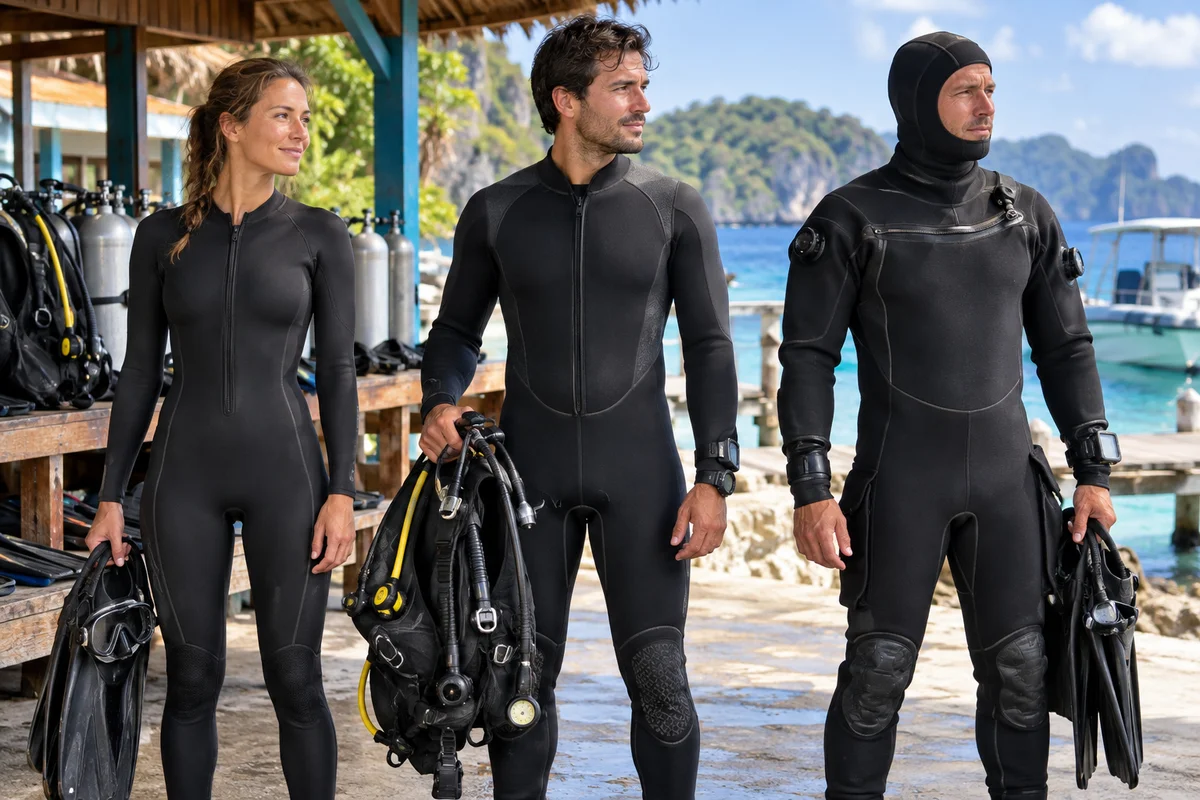
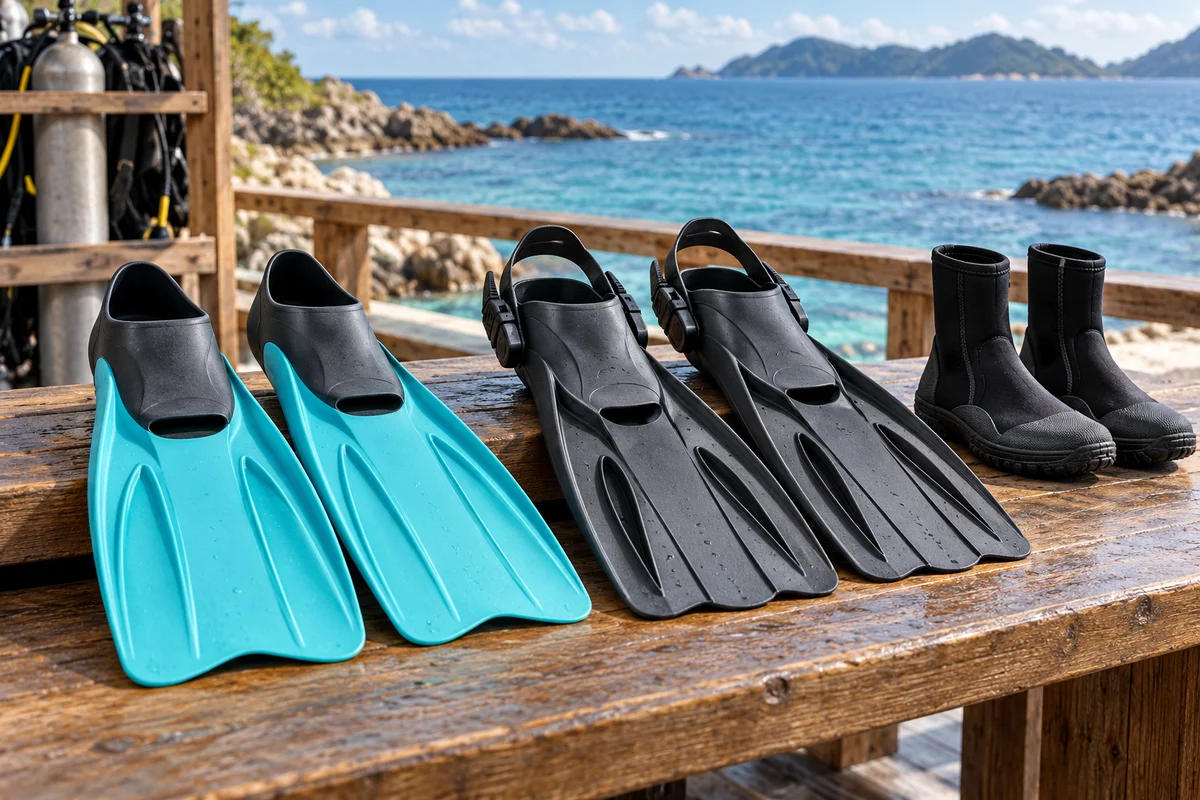
For a try dive, buying a complete setup is normally unnecessary. The centre generally provides or rents the required equipment: wetsuit, buoyancy compensator, cylinder, regulator, weight system, mask and fins. The exact package varies, so check what is included before booking.
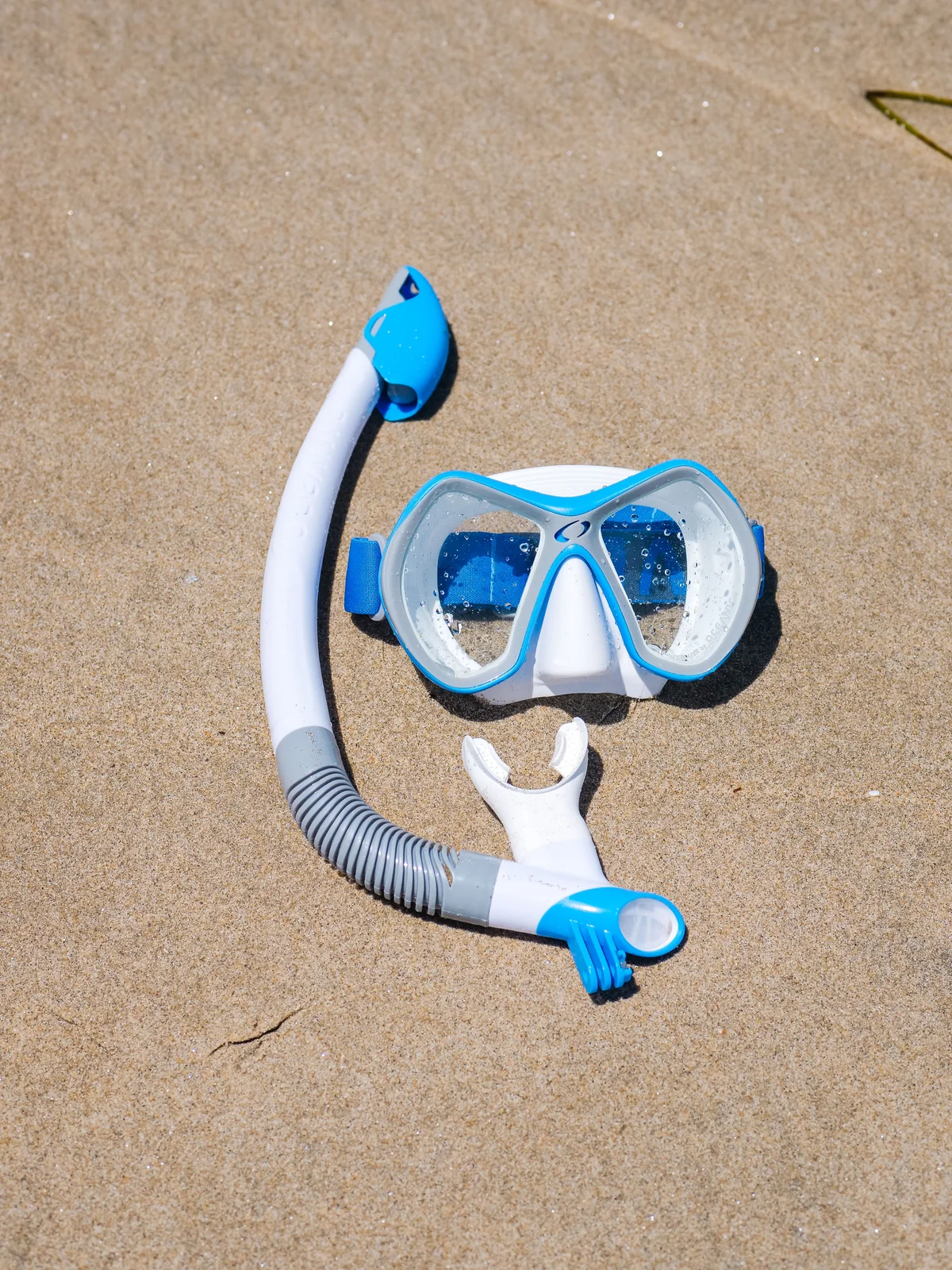
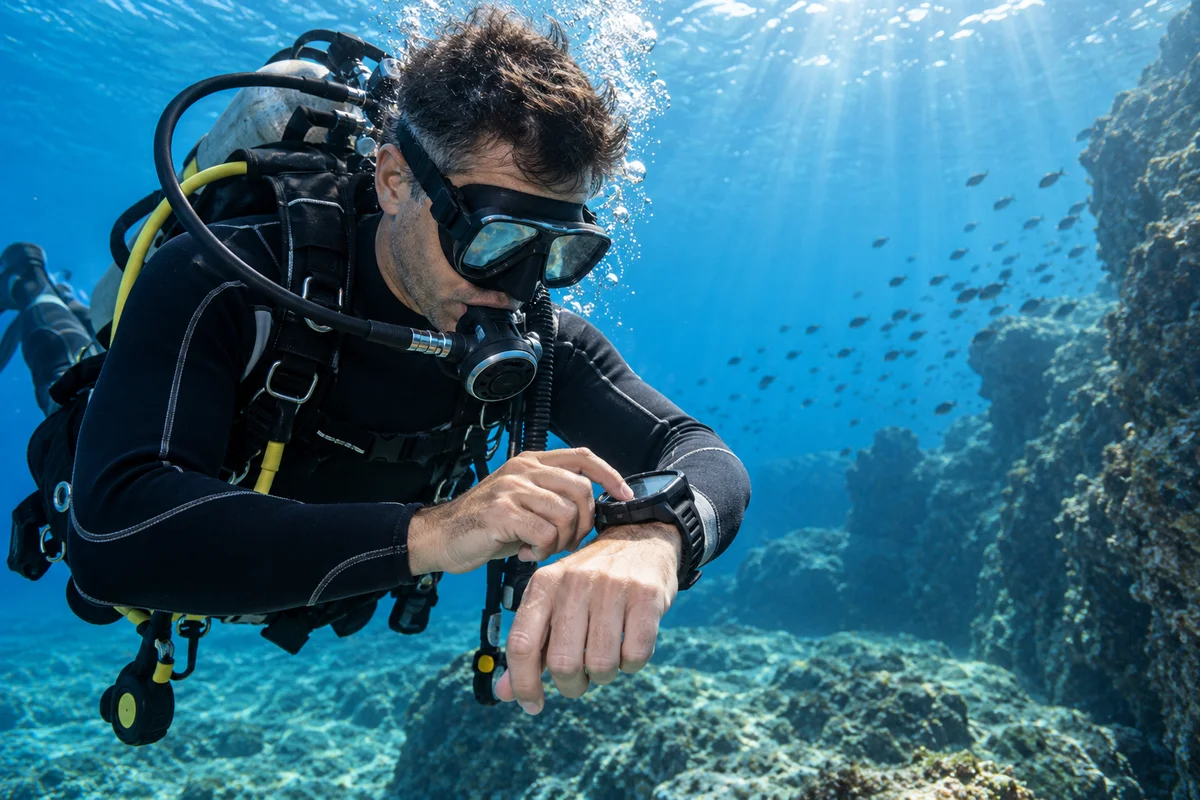
A personal mask is often the most useful first purchase because fit and comfort matter. A snorkel and fins can follow if you also enjoy snorkeling. For the rest, renting lets you test different configurations before investing. After several dives, you can decide whether a wetsuit, dive computer or other personal equipment makes sense for how and where you dive.

What You Learn
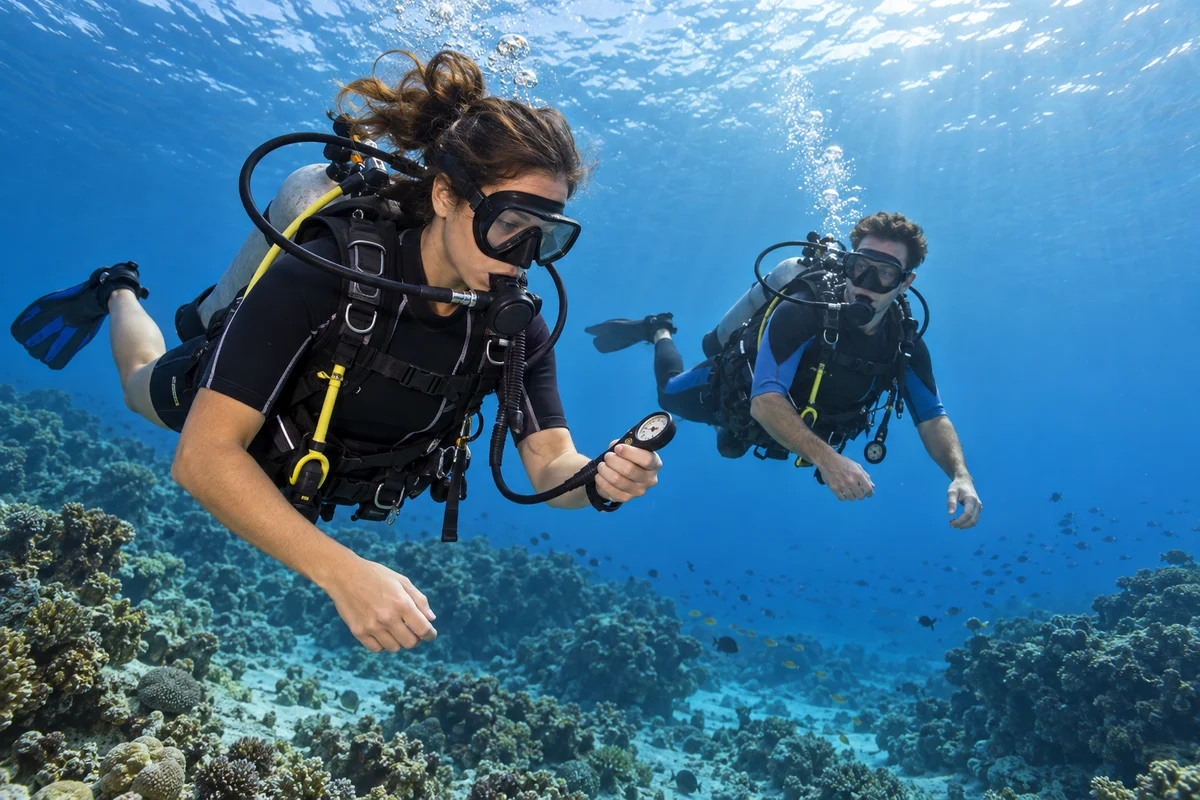
A scuba course is about much more than breathing underwater. You learn to assemble and check equipment, enter and exit the water, descend progressively and communicate with your buddy or instructor using standard underwater signals. You also practise buoyancy control and common skills such as clearing a flooded mask or recovering a regulator.
Theory covers pressure, air consumption, group procedures, environmental awareness, incident prevention and basic safety principles. The aim is not simply to memorize rules, but to understand why they matter and use them calmly underwater.
Common Fears and Practical Tips: Ears, Mask and Breathing
Ears are a common concern for beginners. Pressure increases as you descend, so equalize early and regularly without forcing it. Descend slowly; if an ear does not equalize, stop and tell the instructor rather than pushing through pain. A mask filling with water can also feel unsettling, but mask-clearing is a standard beginner skill. Practise it calmly in shallow water.
For breathing, breathe slowly and regularly through the regulator and never hold your breath. If you feel stressed, signal the instructor and ask to slow down or ascend. A good instructor should adapt the session to your comfort. For a first dive, calm water, good visibility and attentive supervision are usually more valuable than a spectacular site.

Choosing a Dive Centre and Suitable Site
Check the instructors' qualifications, the exact package contents, equipment, cancellation policy and group size. Ask how many people the instructor will supervise and which site is planned for beginners. The best first site is not necessarily the most famous: sheltered water, limited current, easy entry, gradual depth and suitable seasonal conditions are more important.
Weather can change conditions significantly, especially at sea, so a reputable centre should be willing to change sites when necessary. Also choose according to your long-term plans: a local club may be ideal for regular practice, while a holiday centre offering both an introduction and a full course may be more convenient.
Checklist and Next Step
Before booking, check the age and applicable requirements, medical formalities, your comfort in the water, the exact price and the equipment provided. For a course, ask whether theory, dives, equipment, certification, licence and boat fees are included. Bring swimwear, a towel and water, and allow enough time to avoid arriving rushed.
If you have never dived, the simplest next step is usually a try dive at a centre experienced with beginners. Afterwards, you can decide whether to continue with FFESSM Level 1, PADI Open Water Diver or SSI Open Water Diver. Sources: FFESSM — Plongeur Niveau 1 and introduction to scuba diving; PADI — Discover Scuba Diving and Open Water; DAN — Fitness to Dive; Babou Côté Océan — 2026 prices; Evasion Plongée — 2026 prices; E Ragnole — PADI training prices 2026.



00 Comments
No comments yet.