
Getting to the Medes Islands
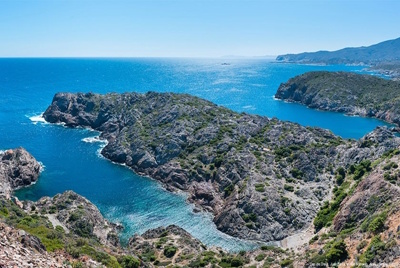
The Medes Islands are located less than one kilometre from the coast of L’Estartit, but their proximity can be deceptive. Despite the short distance, sea conditions, wind and currents can make the crossing more demanding than it appears. Before setting out, it is important to remember that the archipelago is part of one of the most protected marine reserves in the Mediterranean Sea.
Several Ways to Reach the Reserve
The reserve can be reached by private boat, kayak or paddle board from L’Estartit. Many visitors choose these options to explore the crystal-clear waters surrounding the islands. Although the distance may appear short on a map, the crossing should not be underestimated. Weather conditions, wind and sea state can quickly make the return journey more challenging. Before setting out, it is recommended to check the forecast and ensure that your equipment is suitable.

Using the Mooring Buoys
Anchoring is prohibited around the Medes Islands in order to protect the posidonia seagrass beds and the seabed. Recreational boaters must use the mooring buoys installed within the reserve. During inspections, a fee may be charged depending on the duration of use and the type of vessel.
Because regulations and prices may change over time, it is recommended to check the latest information before your visit. For current fees and conditions of use, consult the official Club Nàutic Estartit website.
Choosing the Right Buoy
Not all buoys are intended for the same purpose. Some are reserved for professional dive centers and guided activities, while others are available for recreational boaters. Choosing the correct buoy is important to avoid issues during inspections. If in doubt, check with the harbour office before your trip. Buoy allocation and usage rules may change from season to season.

A Strictly Protected Nature Reserve
One of the most important things to know before your visit is that landing on the Medes Islands is prohibited. Whether you arrive by boat, kayak, paddle board or during a freediving excursion, you must not step onto the rocky islets, hold onto the cliffs or pull your craft onto the rocks. These measures help preserve an exceptional ecosystem that has benefited from decades of protection. Respecting these rules directly contributes to the conservation of one of the finest marine reserves in the Mediterranean.
Always Check the Latest Regulations Before Your Visit
Regulations regarding freediving, snorkeling, mooring buoys and access to the reserve may change over time. Certain permits, restrictions or administrative procedures can be updated from one season to another. Before your visit, we recommend consulting the official information provided by the Port of L’Estartit or contacting local authorities directly to verify the current rules.
You can also learn more about the history, protection and management of the reserve in our complete guide to the Medes Islands Nature Reserve.
Snorkeling Regulations in the Medes Islands
Snorkeling is permitted within the Medes Islands Marine Reserve, but it is subject to specific regulations designed to protect the marine environment. Unlike many Mediterranean locations where snorkeling is largely unrestricted, certain limitations apply here to reduce the impact on wildlife and sensitive habitats.
Participants must remain near the surface with a maximum authorized depth of 6 metres. The use of weights is prohibited, and fins must comply with the restrictions established by the reserve. A short wetsuit or lightweight exposure suit is generally tolerated to provide thermal protection without affecting conservation objectives.
As regulations may change over time, visitors should always verify the latest rules with local authorities or the Harbour Master's Office in L'Estartit before entering the reserve.
Freediving Regulations in the Medes Islands
Unlike snorkeling, freediving within the Medes Islands Marine Reserve is subject to specific regulations. Freedivers must obtain authorization before entering certain areas of the reserve and comply with the requirements established by the reserve managers. During our visit, proof of insurance and a recognized freediving certification or qualification were required.
A fee may also apply to access certain parts of the reserve. A surface marker buoy is mandatory and helps identify freedivers while they are in the water. Authorizations are generally issued for a limited period, so it is advisable to complete the necessary procedures before arriving.
As administrative procedures and access conditions may change over time, visitors should verify the latest information directly with the Port Authority or Harbour Master's Office in L'Estartit before their activity.


My Experience and Expected Costs
During our visit, the procedure was relatively straightforward but not always easy to find information about. To freedive within the reserve, we had to visit the Port of L'Estartit to obtain the required authorization. Proof of insurance and a recognized freediving certification were requested.
As an indication, the reserve access fee was approximately €4 to €5 per person. Visitors arriving by private boat and wishing to use a mooring buoy should also expect to pay around €8. These amounts are provided for reference only and may change depending on the season and reserve management decisions.
We therefore recommend checking the latest fees and procedures before your visit.
What Can You See Underwater? The Medes Islands are home to one of
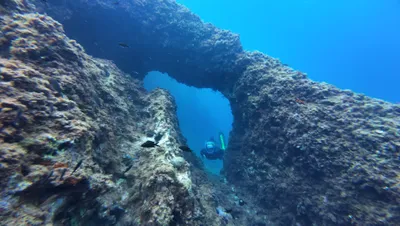
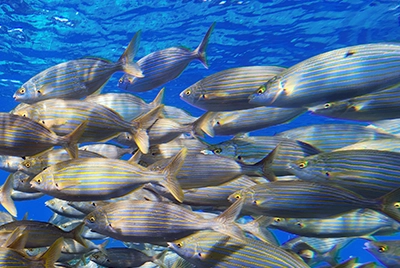
The Medes Islands are home to one of the richest marine ecosystems in the Mediterranean. Even while staying close to the surface, freedivers and snorkelers can encounter a wide variety of marine life. Groupers are undoubtedly the reserve's most iconic residents, with some individuals showing remarkable curiosity towards visitors.
Depending on the season and conditions, you may also encounter schools of barracuda, dentex, sea bream, moray eels, octopuses and a wide variety of nudibranchs. This abundance of marine life is the direct result of decades of protection, making the Medes Islands a must-visit destination for underwater nature enthusiasts.
To learn more about some of the Mediterranean's most iconic fish species, take a look at our guide to iconic Mediterranean fish.


When Is the Best Time to Visit the Medes Islands?
Freediving and snorkeling can be enjoyed for much of the year in the Medes Islands. While the busiest period extends from May to October, September and October are often considered the best months to fully enjoy the reserve.
The water remains pleasantly warm after summer, visitor numbers gradually decrease and underwater visibility is often excellent. In contrast, spring conditions can sometimes offer more variable visibility due to weather patterns and plankton blooms.
For those seeking the best underwater experiences, autumn often provides the ideal balance between water temperature, tranquillity and visibility. In all cases, early morning outings usually offer calmer seas and reduced boat traffic around the reserve.
Conclusion
The Medes Islands undoubtedly offer one of the finest freediving and snorkeling experiences in the Mediterranean. Thanks to decades of protection, the reserve is home to abundant marine life and exceptional underwater landscapes that attract enthusiasts from around the world.
Although some administrative procedures and access regulations may seem restrictive, they play an important role in preserving this unique natural environment. By preparing your trip properly and respecting the current regulations, you will be able to fully enjoy everything the reserve has to offer.
Finally, even when not legally required, the use of a surface marker buoy is strongly recommended, including for snorkeling activities. The reserve is frequented by dive boats, private vessels, kayaks and paddle boards, and being clearly visible at the surface is an important safety measure.
Have you already explored the Medes Islands while freediving or snorkeling? Feel free to share your observations, photos and tips on Scuba Spot Advisor to help future visitors plan their adventure.


00 Comments
No comments yet.