
What is Posidonia
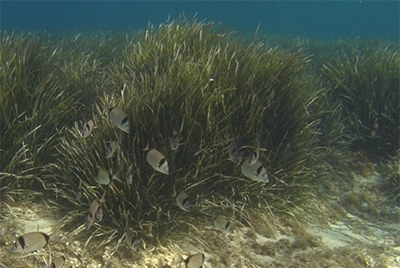
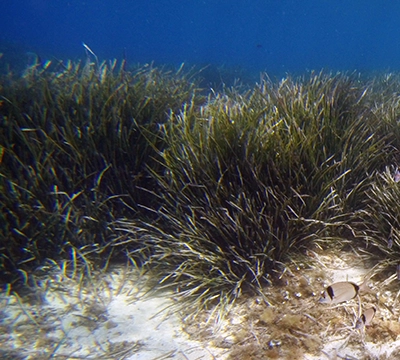
Unlike algae, Posidonia is a flowering plant that has roots, stems, and ribbon-like leaves that can reach up to one meter in length. It grows in dense meadows on sandy and rocky bottoms, at depths between 0 and 40 meters. Its growth is extremely slow: it extends by about 1 cm per year, which makes its preservation crucial. Some meadows are thousands of years old!
Why is it so important
A refuge for biodiversity
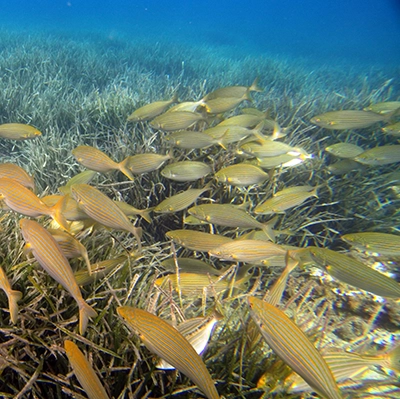
Posidonia seagrass beds are home to a multitude of marine species: juvenile fish, seahorses, starfish, and crustaceans find refuge and food there.
A lung for the sea
It produces oxygen in large quantities, thus contributing to water purity and underwater life.
A barrier against erosion
Dead posidonia leaves, often washed up on beaches, limit coastal erosion by absorbing wave energy.
An indicator of marine health
Its presence is a sign of good water quality, as it is very sensitive to pollution and human activities.
Threats to Posidonia
The anchoring of boats: Anchors tear up seagrass beds, which take centuries to reform.
Coastal urbanization: The construction of ports and dikes disrupts its ecosystem.
Pollution: Chemical discharges and wastewater promote the proliferation of invasive algae that suffocate posidonia.
Invasive species: Some accidentally introduced species, such as the algae Caulerpa taxifolia, compete with posidonia.
How to protect her
Avoid anchoring on seagrass beds: Use mooring buoys or anchor on sand.
Reduce pollution: Favor biodegradable products and limit plastic waste.
Raise awareness among divers and boaters: Respect these fragile ecosystems by avoiding walking on or disturbing the seabed.
Conclusion
Posidonia is a true jewel of the Mediterranean essential for marine balance Its preservation is a priority to ensure the health of the oceans and the species that depend on it The next time you see a seagrass bed underwater or leaves on the beach remember its crucial role and help protect it
01 Comments
sophie
May 14, 2026Very nice article about posidonia, a true treasure of the Mediterranean. It clearly explains its essential role in marine ecosystems: these seagrass beds host an incredible biodiversity, serve as a nursery for many species, and contribute to ecological balance by oxygenating the water and stabilizing the seabed. The article also highlights the importance of protecting nature and the seas and oceans, as posidonia is very sensitive to human activities and environmental impacts. An essential read to better understand and respect this fragile and indispensable ecosystem for underwater life.