

The Medes Islands Natural Reserve, located off L'Estartit on the Costa Brava, is one of the most spectacular marine protected areas in the western Mediterranean. With its exceptional biodiversity and fascinating history, this site attracts divers from around the world each year in search of unique underwater landscapes and rare species.
Site History
The Medes Islands, a small archipelago made up of seven islets, were once a strategic location for fishermen and sailors. Used as a military base for centuries due to their geographical position, the islands have gradually seen their military importance decline to become an area of ecological interest. In 1983, they were declared a protected area, and in 1990, they obtained the status of a marine natural park, in order to preserve the richness of its underwater ecosystems.
Thanks to these protective measures, the marine flora and fauna of the Medes Islands have been able to regenerate. Today, the reserve is home to more than 1200 species of animals and plants, making this place an ecological sanctuary of immense importance for Mediterranean biodiversity.


L'Estartit: The Gateway to the Medes Islands.
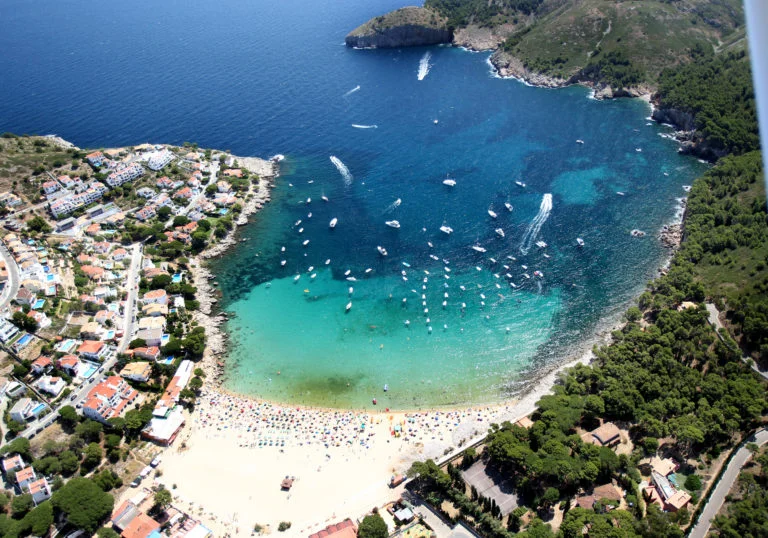
The small coastal town of L'Estartit, located at the foot of the Montgrí massif, is the ideal starting point for exploring the Medes Islands. Once a fishing village, L'Estartit has transformed over the years into a popular tourist destination, especially for water sports and scuba diving enthusiasts. With its modern port and numerous facilities, L'Estartit offers visitors a warm atmosphere while remaining close to nature.
In addition to diving, the town offers a wide variety of activities, including boat trips around the Medes Islands, hiking in the Montgrí natural park, as well as beautiful beaches lined with pine trees and steep cliffs.
"The Best Diving Spots of the Medes Islands"
The Medes Islands are considered a paradise for divers due to the clarity of the water and the diversity of its dive sites. Here are some of the best spots to explore:
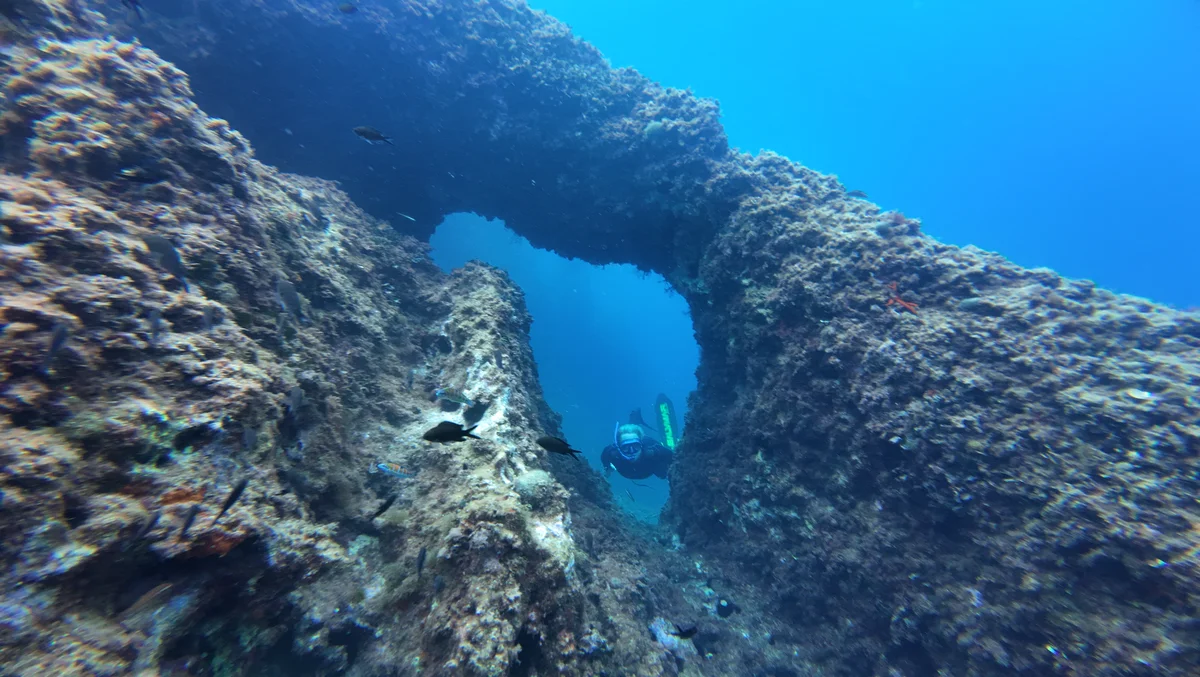
This dive site is famous for its impressive underwater tunnel that runs through an islet. Divers can observe a wide variety of impressive-sized fish, including groupers, moray eels, and barracudas. The light filtering through the tunnel offers sublime landscapes, perfect for underwater photography.
Known for its stunning marine cave, El Dofí is a must-visit destination for more experienced divers. The cave is populated with corals, gorgonians, and tropical fish, creating a fascinating palette of colors. Divers may also encounter lobsters and crustaceans hidden in the crevices.
This site offers a unique underwater relief with vast rock formations. Highly favored by both beginner and experienced divers, Pedra de Déu is ideal for observing schools of colorful fish, octopuses, and even some rays swimming in the area.
This dive spot is located around the largest of the islets of the Medes Islands. Dives at Tascó Gros are perfect for exploring shallow caves where a wide variety of reef fish live. The rock formations are spectacular, providing many hiding places for marine life.
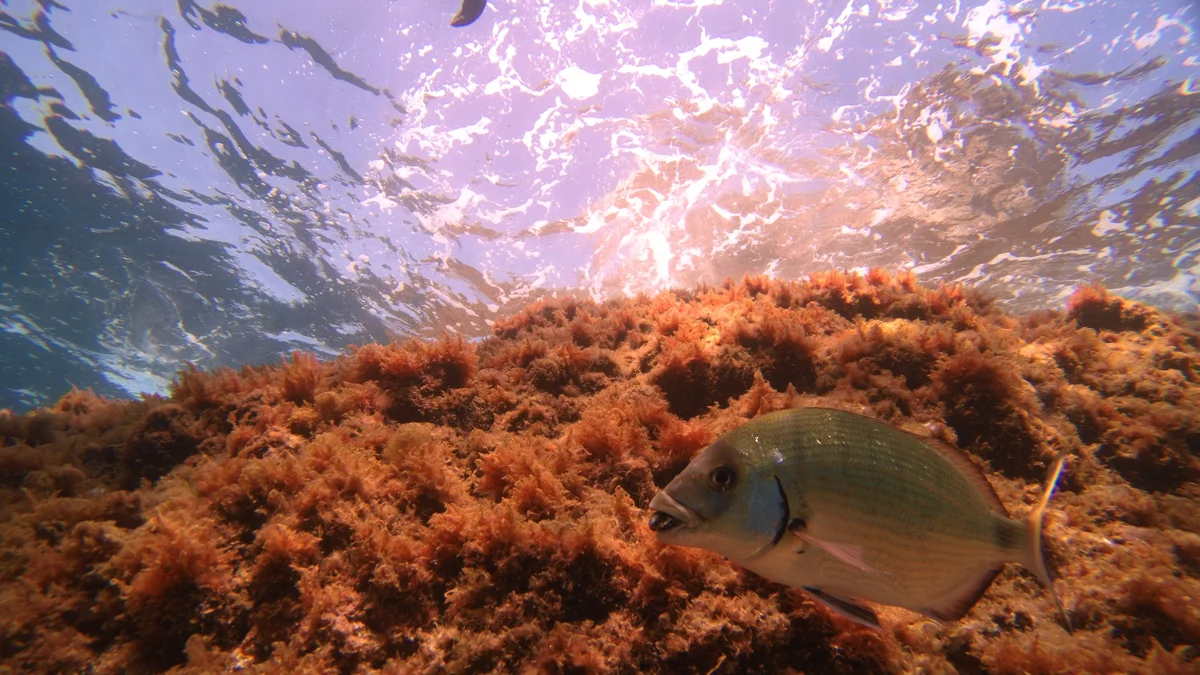
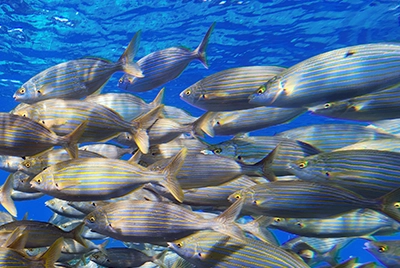
Another spot renowned for its diversity of underwater fauna, Pota del Llop is home to gorgonians and many large fish. Divers can observe schools of sea bream, sarpa, and other iconic Mediterranean species.


"Why Dive into the Medes Islands Reserve?"
Diving in the Medes Islands Natural Park means finding yourself in the heart of a preserved ecosystem where nature reigns supreme. Thanks to over 30 years of protection, the reserve provides a refuge for a thriving underwater fauna and flora. Whether you are a beginner diver or an expert, you will find spots suited to your level, all offering an unforgettable experience.
Diving can be done year-round, but the summer period remains the most popular due to favorable weather conditions and optimal underwater visibility.

02 Comments
sophie
May 14, 2026Very nice article about the Medes Islands natural reserve! It showcases an exceptional diving site in the Mediterranean, with remarkable biodiversity and completely protected seabeds. The clear waters allow for the observation of a very rich fauna, including groupers, schools of fish, gorgonians, and beautiful posidonia meadows. The reserve is a true example of nature and marine ecosystem protection, where the preservation of fauna and flora is essential. Strict regulations help limit human impact and maintain a fragile but essential balance for underwater life. An unmissable destination for divers passionate about nature and biodiversity!
Gregori
April 5, 2026Probably one of the best diving spots in the western Mediterranean. The marine life is exceptional thanks to the protection of the reserve, with an impressive density of fish. The topography is stunning, with drop-offs, caves, and tunnels, offering varied and spectacular dives with each immersion. A must for any diver.