
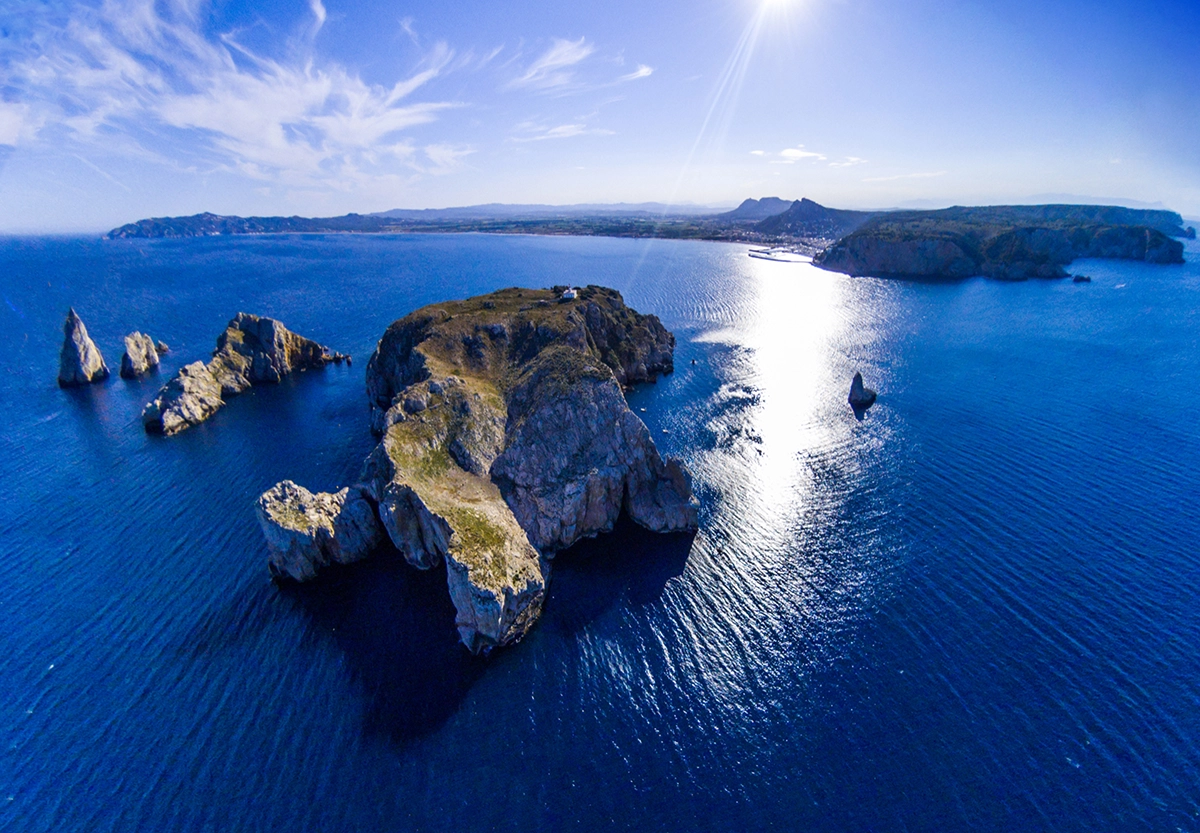
1. Medes Islands (Catalonia)
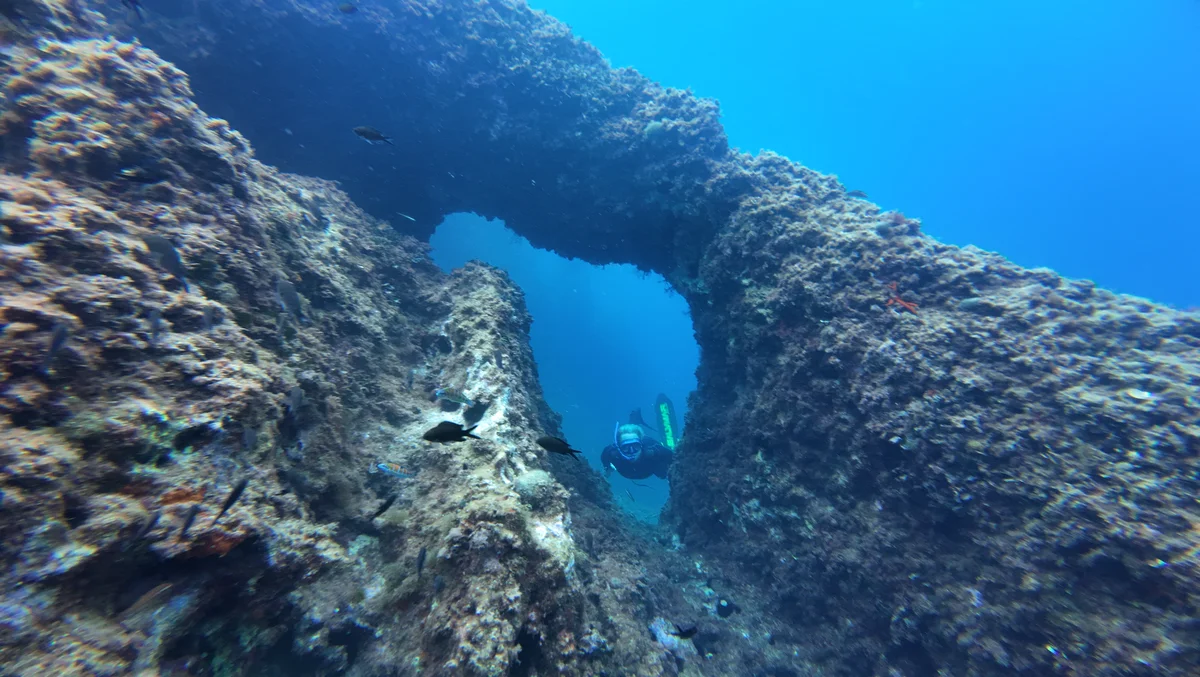
Located off the coast of L'Estartit the Medes Islands have been a protected marine reserve for over 30 years They are home to exceptional marine biodiversity including groupers barracudas octopuses and colorful gorgonians The site of La Vaca a spectacular underwater tunnel is particularly popular with experienced divers
2 Archipelago of the Columbretes Valencian Community
About 50 km off the coast of Castellón this volcanic archipelago is a nature reserve offering pristine seabeds dives reveal canyons posidonia meadows and a variety of wildlife ranging from groupers to rays the clarity of the waters and the richness of marine life make it a must-see site for divers
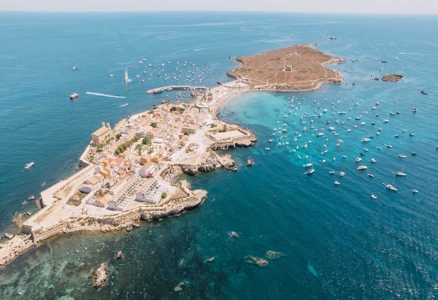
3. Tabarca Island Alicante
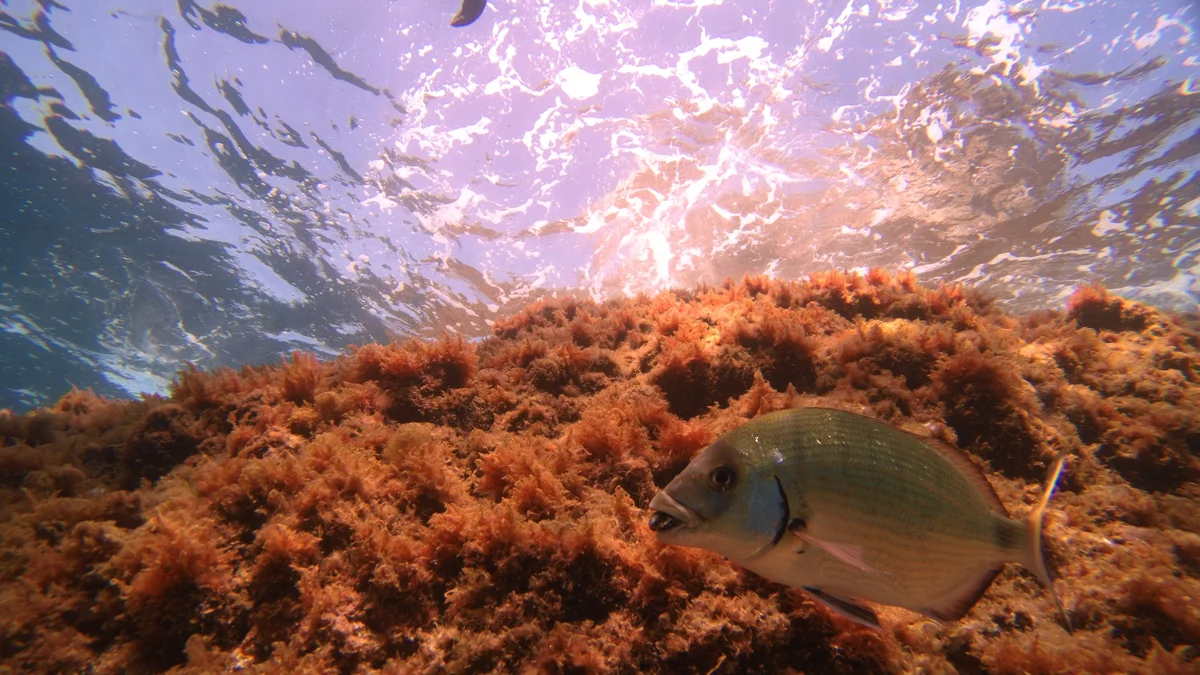
Spain's first marine reserve since 1986 Tabarca is famous for its crystal-clear waters and biodiversity Divers can observe starfish lobsters groupers and with a bit of luck loggerhead turtles The shallow and bright seabeds are ideal for beginners
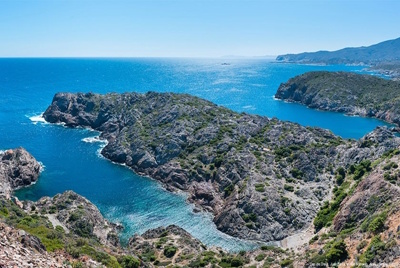
4. Cap de Creus (Catalonia)
First marine natural park in Catalonia Cap de Creus offers varied dives among reefs caves and drop-offs Sites like El Gat La Paret del Bisbe and Punta del Mero are renowned for their marine richness and spectacular underwater landscapes

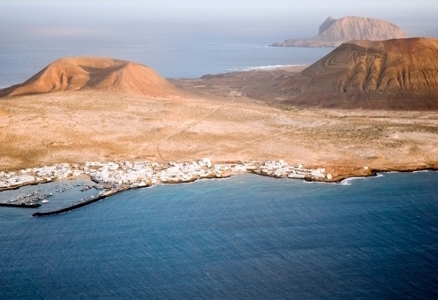
5 Island of La Graciosa Lanzarote Canary Islands
This small preserved island north of Lanzarote is a protected marine reserve The site of Veril de las Agujas is renowned for its rock walls plunging up to 50 meters offering dives rich in sensations for intermediate to advanced levels
6 Minorca Balearic Islands
The marine reserve in the north of Minorca is a true natural aquarium The underwater cave of La Catedral accessible from 14 meters deep is a must-see Wreck enthusiasts can explore the Junker-88 bomber from World War II resting at a depth of 40 meters
7. Cabrera National Park Balearic Islands
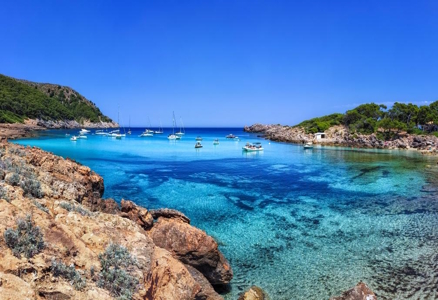
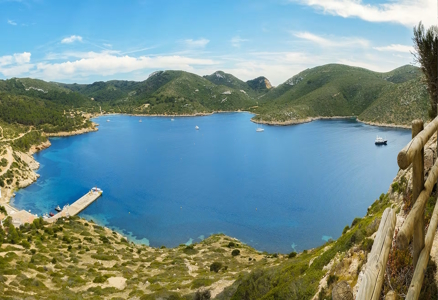
Located in the south of Majorca this national park offers dives in warm and clear waters rich in fish and corals the underwater caves and biodiversity make it a popular site for underwater photographers
8. Hormigas Islands Marine Park Murcia
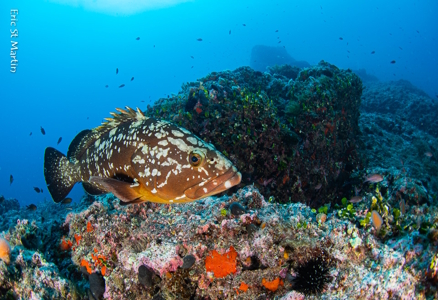
Considered one of the best diving sites in Spain this park is home to abundant wildlife groupers barracudas eagle rays and sometimes sunfish Several renowned wrecks are also accessible to experienced divers
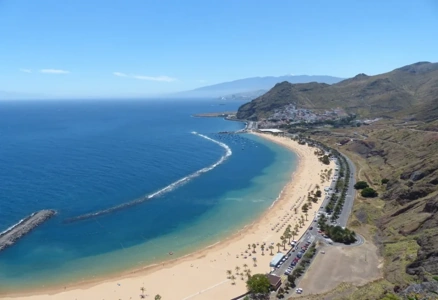
9 Tenerife Canary Islands
The island offers a multitude of diving sites suitable for all levels Places like El Bufadero La Cueva del Zorro and the wreck of El Condesito allow exploration of volcanic formations caves and a varied marine fauna including turtles and rays
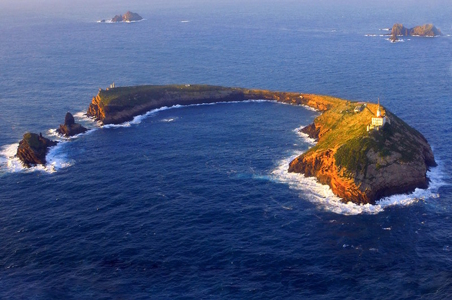
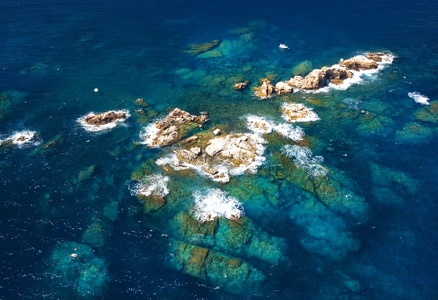
10 Formigues Islands Catalonia
Between Palamós and Palafrugell this group of 16 islets offers dives between 10 and 50 meters deep the seabed features rocks caves and a dense Mediterranean fauna the wreck of the Boreas a German tugboat from World War II is also accessible to divers
Conclusion
Spain with its varied coasts and islands offers an exceptional diversity of diving sites ranging from protected marine reserves to historical wrecks whether you are a beginner or an experienced diver you will find spots suited to your level and desires

01 Comments
sophie
May 14, 2026Very good article that perfectly showcases the diversity of diving spots in Spain. It highlights exceptional sites like the Medes Islands, Cap de Creus, and the Hormigas Islands, with a great richness of marine life and underwater landscapes. Between marine reserves, caves, drop-offs, and wrecks, Spain truly appears as a complete destination for divers of all levels. A clear and inspiring guide that makes you want to explore all these regions!