

Why Diving with a Whale Shark Is a Unique Experience
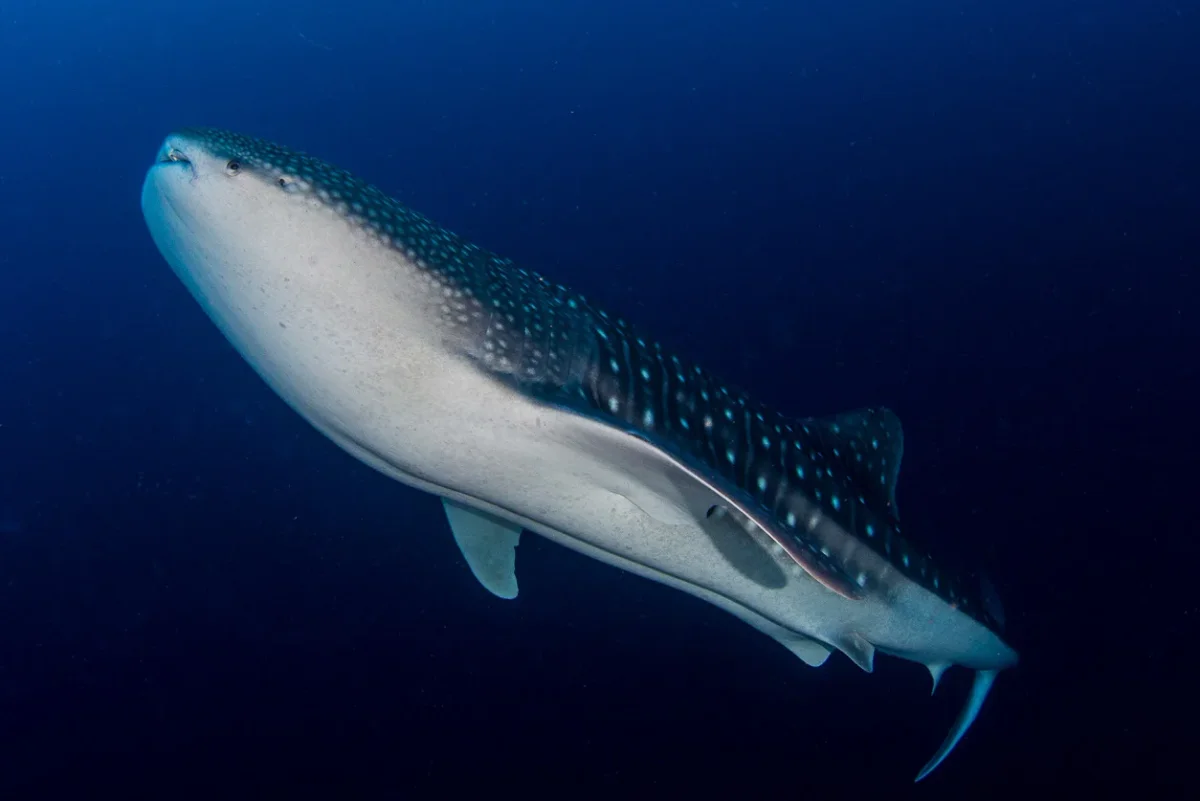
The whale shark is the largest fish in the world and one of the most incredible encounters a diver can experience. Despite reaching lengths of more than 12 meters (40 feet), this gentle giant is completely harmless to humans. It feeds primarily on plankton, small fish, and fish eggs, filtering its food as it swims with its mouth open.
Seeing a whale shark in its natural environment is often an unforgettable moment. Its calm behavior, graceful movements, and impressive size make it one of the most sought-after marine species among divers and snorkelers around the world.
Contrary to popular belief, whale sharks are only found in specific regions of the world, and sightings are highly seasonal in many destinations. However, a few exceptional locations offer regular encounters and, in some cases, year-round opportunities to see these magnificent animals.
To learn more about this fascinating species, read our complete guide to the whale shark.
The Rare Destinations Where You Can See Whale Sharks Year-Round
While many destinations offer seasonal whale shark encounters, only a handful of places around the world provide regular sightings throughout the year. Thanks to unique oceanographic conditions and a constant supply of food, these gentle giants visit these regions on a near-permanent basis, making them dream destinations for divers and snorkelers alike.
Maldives: The World's Premier Whale Shark Destination
The Maldives are widely regarded as one of the best places on Earth to encounter whale sharks year-round. In particular, South Ari Atoll has earned a global reputation thanks to the regular presence of juvenile whale sharks that inhabit its nutrient-rich waters.
Divers and snorkelers have the opportunity to observe these magnificent animals both from the surface and underwater. Encounters are possible throughout the year, although some seasons offer better visibility and sea conditions.
The most famous dive sites in the area include Maamigili Reef, Whale Shark Point, and Five Rocks. In addition to whale sharks, divers can encounter manta rays, sea turtles, reef sharks, and an incredible variety of tropical fish.
Mozambique: One of Africa's Best-Kept Secrets
Mozambique's coastline has become one of the world's leading destinations for encounters with large pelagic species. The regions of Tofo and Barra are particularly famous for their regular whale shark sightings, often combined with encounters with oceanic manta rays, hammerhead sharks, and many other impressive marine animals.
Unlike destinations where whale sharks are only present during a specific season, sightings are possible throughout the year in Mozambique, although encounter rates vary depending on ocean conditions and seasonal movements.
Among the region's most renowned dive sites are Manta Reef, Amazon Reef, and Office Reef. These reefs are renowned for their exceptional biodiversity and offer some of the finest diving in Southern Africa.
To plan your trip, check out our complete guide to diving in Barra and our guide to the best dive sites in Barra and Tofo.
Mafia Island, Tanzania: Authentic Encounters in the Indian Ocean
Less famous than the Maldives or Mozambique, Mafia Island is nevertheless one of the most remarkable places in the world to observe whale sharks in their natural environment. Located off the coast of Tanzania, the island is part of a protected marine park that boasts a rich and healthy ecosystem.
Every year, numerous whale sharks gather in the waters around Mafia Island to feed on seasonal plankton blooms. Sightings are especially common between October and February, although encounters can occur outside this period as well.
Divers can explore renowned sites such as Kinasi Pass and Chole Bay, where vibrant coral reefs are home to sea turtles, giant groupers, barracudas, and schools of pelagic fish.
Philippines: Guaranteed Encounters or Responsible Wildlife Experiences
The Philippines offer two very different approaches to whale shark encounters.
The first is Oslob, on Cebu Island. This location has become world-famous thanks to its daily whale shark sightings. Encounters are almost guaranteed, attracting thousands of visitors every year. However, this reliability is linked to feeding practices that remain highly controversial among marine biologists and conservationists.
On the other hand, Donsol Bay is often considered the most environmentally responsible whale shark destination in the country. No feeding takes place, allowing visitors to observe whale sharks in a completely natural setting. The region is also known for the spectacular Manta Bowl Shoal, a famous dive site where manta rays, sharks, and other large pelagic species are regularly encountered.
Whether you choose Oslob or Donsol, the Philippines remain one of Asia's top destinations for meeting the largest fish in the world and enjoying unforgettable whale shark encounters.


The Best Seasonal Destinations to See Whale Sharks
While some destinations offer year-round whale shark encounters, others provide truly spectacular sightings during specific months of the year. These seasonal migrations are usually linked to plankton blooms, which attract the world's largest fish in search of food. For divers and snorkelers, these periods often offer the best chances of encountering multiple whale sharks during a single excursion.
Ningaloo Reef, Australia: One of the World's Greatest Wildlife Encounters
Located on Australia's west coast, Ningaloo Reef is widely regarded as one of the best places on Earth to swim with whale sharks. Every year, between March and July, large numbers of whale sharks gather in the area to take advantage of the rich food sources that follow the annual coral spawning event.
Encounters usually take place in crystal-clear waters with excellent visibility, allowing visitors to observe these gentle giants in ideal conditions. The Blizzard Ridge - Lighthouse Bay - Ningaloo Reef area is among the most famous locations for exploring this UNESCO World Heritage-listed marine ecosystem.
Mexico: The Largest Whale Shark Gatherings in the World
When it comes to massive whale shark aggregations, Mexico is often the first destination that comes to mind. Between June and September, the waters surrounding Isla Mujeres, Holbox, and Isla Contoy can host dozens of whale sharks feeding together in a relatively small area.
These extraordinary gatherings are among the largest known anywhere in the world. Most excursions are conducted as snorkeling trips, allowing visitors to observe the animals while minimizing disturbance. The area around Punta Sur - Isla Mujeres is an excellent starting point for exploring one of the world's most famous seasonal whale shark destinations.
Djibouti: The Kingdom of Juvenile Whale Sharks
Between November and February, Djibouti becomes one of the most fascinating places on Earth to observe juvenile whale sharks. The plankton-rich waters of the Gulf of Tadjoura attract numerous young individuals, many of which are remarkably curious and approachable.
Unlike many destinations where encounters primarily involve adult animals, Djibouti is famous for sightings of smaller whale sharks, often allowing for longer and closer interactions. Areas such as Gulf of Tadjoura, Ras Eiro, Arta Beach, and Ghoubbet al Kharab are among the country's most renowned locations for unforgettable whale shark encounters.
Seychelles: Rare but Magical Encounters
The Seychelles are not specifically known as a whale shark hotspot, but seasonal sightings are regularly reported throughout the archipelago. The warm tropical waters and abundant marine life occasionally attract these gentle giants, particularly around Mahé and the outer islands.
Although sightings are less predictable than in destinations such as the Maldives or Mexico, encounters remain truly memorable thanks to the exceptional beauty of the Seychelles' underwater landscapes, where coral reefs, sea turtles, and large pelagic species already make for world-class diving experiences.
Egypt: Rare but Possible Encounters in the Red Sea
The Red Sea is world-famous for its spectacular coral reefs, dramatic drop-offs, and abundant pelagic life. While whale sharks are not regularly present, sightings are reported every year at several iconic dive sites.
Lucky divers may encounter a whale shark at legendary locations such as Elphinstone Reef, Daedalus Reef, Brothers Islands, or Sha'ab Samadai (Dolphin House).
Although such encounters remain uncommon, they are often remembered as one of the highlights of a diving trip to Egypt and the Red Sea.
How to Observe Whale Sharks Responsibly
Observing a whale shark in its natural environment is an unforgettable experience. However, the growing popularity of whale shark tourism can sometimes impact the behavior of these animals. By following responsible practices, divers and snorkelers can minimize their impact while enjoying a truly memorable encounter.
Respect Observation Distances
Whale sharks are wild animals that should be allowed to move freely. It is recommended to maintain a respectful distance and never block their path. The goal is to observe the animal without altering its natural behavior.
Never Touch a Whale Shark
Despite their massive size, whale sharks are protected by a delicate mucus layer that plays an important role in their health. Touching an animal can damage this protective coating and cause unnecessary stress. Responsible encounters should always be completely hands-off.
Choose Natural Encounters Whenever Possible
Some destinations have developed whale shark tourism around feeding activities designed to guarantee sightings. While these encounters can be spectacular, they remain controversial because of their potential impact on natural behavior. Many divers now prefer destinations where whale sharks are observed without human intervention.
Select a Responsible Dive Operator
The best operators follow strict guidelines regarding group sizes, approach distances, and interaction times. Before booking a trip, it is worth checking whether the dive center follows local regulations and actively supports marine conservation efforts.
Take Photos Without Disturbing the Animal
Whale sharks are extraordinary subjects for underwater photography. To avoid disturbing them, divers should refrain from chasing the animal, making sudden movements, or using excessive flash photography. A calm and respectful approach often results in the best images.
Contribute to Whale Shark Conservation
Many scientific organizations monitor whale shark populations around the world. Some allow divers to submit photographs that help identify individual animals through their unique spot patterns. Every sighting can contribute valuable information for research and conservation programs aimed at protecting this iconic species.


An Unforgettable Experience Accessible to Everyone
Encountering a whale shark in its natural environment is one of the most memorable marine experiences imaginable. Whether you are an experienced diver or simply enjoy snorkeling, these gentle giants offer unforgettable encounters around the world.
Contrary to popular belief, you do not need to be a scuba diver to fully enjoy a whale shark encounter. In many destinations, snorkeling is actually the best way to observe them, as these animals often spend much of their time near the surface while feeding on plankton.
In Mozambique, several operators specialize in whale shark excursions. Among them, SEE Activity Center, located in Barra, has built an excellent reputation thanks to its local expertise and respectful approach to marine wildlife. Their snorkeling safaris regularly offer opportunities to encounter whale sharks, as well as manta rays, dolphins, sea turtles, and other iconic pelagic species found along the Mozambican coast.
To learn more about their activities or plan your trip to Barra, visit the SEE Activity Center profile on Scuba Spot Advisor or their official website: seeactivitycentermoz.com.
Whatever destination you choose, the most important thing is to prioritize respectful encounters that protect both the animals and their environment. Seeing the world's largest fish in the wild is a privilege that deserves to be preserved for future generations.
00 Comments
No comments yet.