
Why choose Mozambique for a diving trip?
Mozambique remains one of the most preserved destinations in the scuba diving world. Located on the southeast coast of Africa and bordered by the Indian Ocean, this country attracts divers searching for warm waters, untouched reefs and a more authentic experience away from heavily developed tourist destinations.
The Inhambane, Tofo and Barra diving region is especially known for its incredible marine biodiversity. Dive sites alternate between walls, deep reefs, rocky formations and wide underwater plateaus where encounters with large marine animals are common.
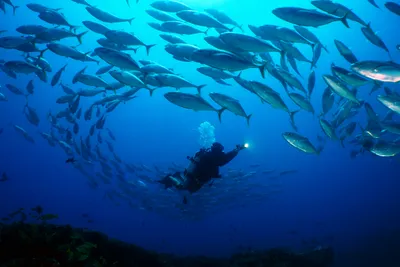
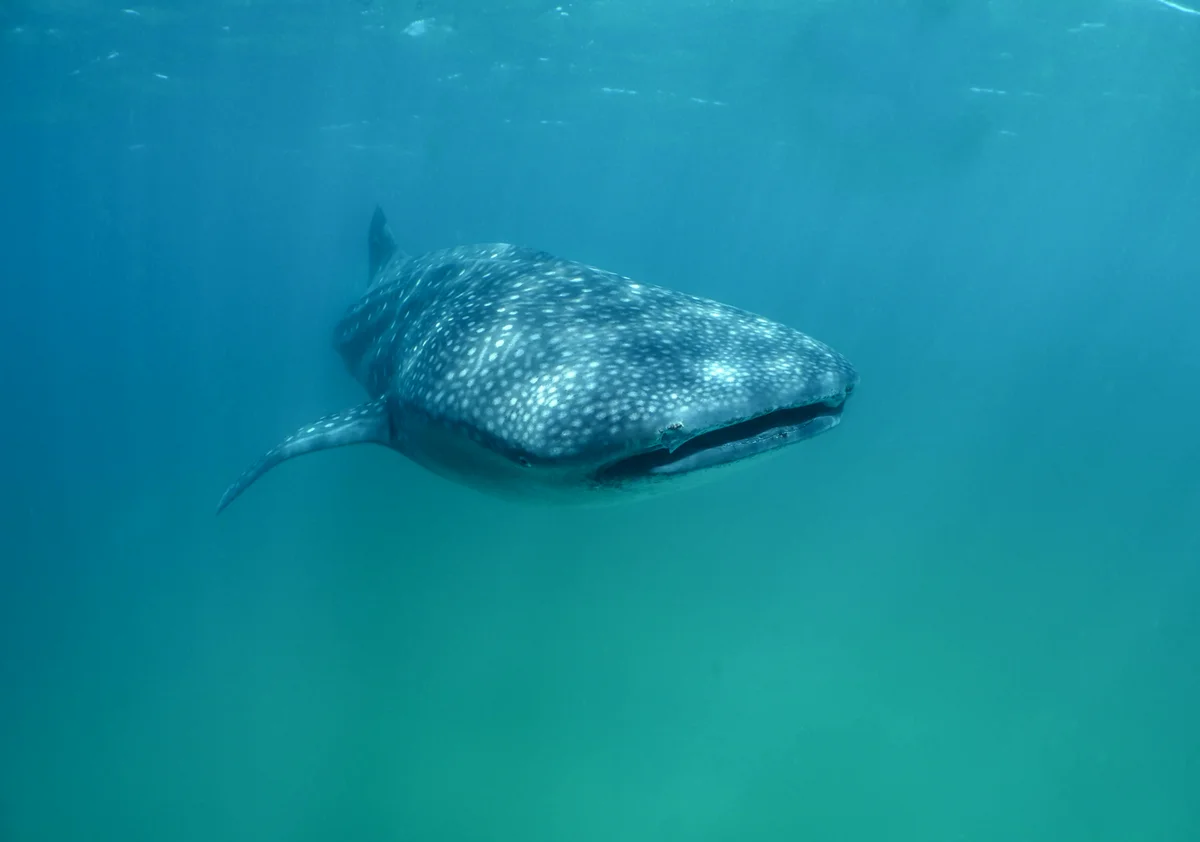
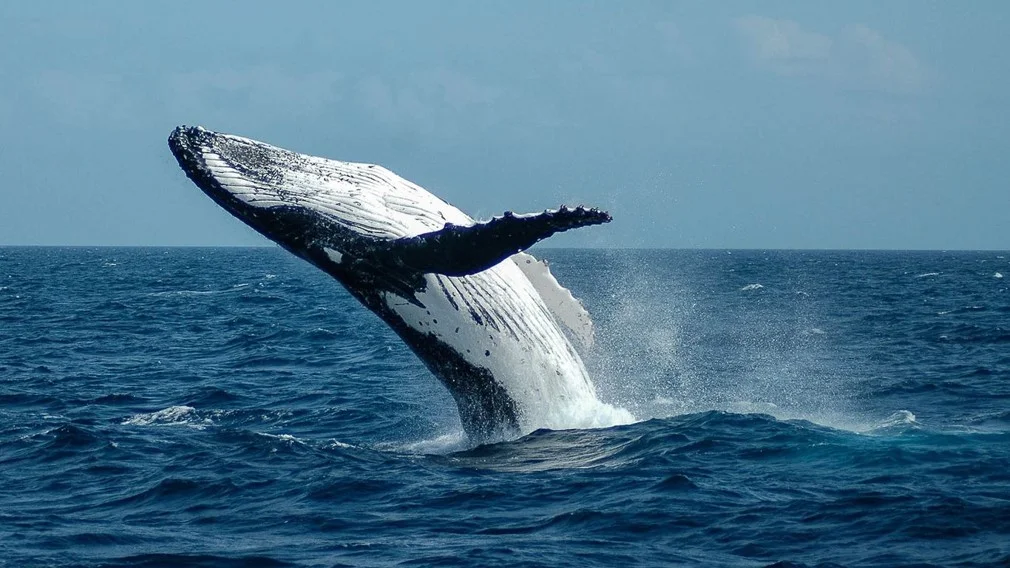
Mozambique became famous among divers for sightings of oceanic manta rays, whale sharks, reef sharks, moray eels, lionfish, giant trevallies and many pelagic species. Depending on the season, divers may also encounter dolphins or even whales.
Around Barra, some dive sites have become iconic, including Giant's Castle and Marble Arch, each offering a very different underwater experience. Some sites are renowned for encounters with large pelagic species, while others are appreciated for their spectacular underwater landscapes and rich reef life.
To explore the best dive sites in the region with experienced local professionals, discover SEE Activity Center, a dive center based in Barra offering scuba diving, ocean safaris and local activities.
Unlike more developed destinations, Mozambique still keeps a true spirit of adventure with long wild beaches, a unique African atmosphere and a genuine feeling of exploration that attracts both experienced divers and travelers looking for authenticity.
The best dive sites around Barra and Inhambane
The Inhambane, Tofo and Barra diving region is home to some of the most famous dive sites in Mozambique. With a combination of deep reefs, walls, natural arches and rocky formations, the area offers a wide variety of underwater environments suited to both experienced divers and underwater photography enthusiasts.
Among the region’s iconic dive sites, Giant's Castle is probably one of the best known. This site is particularly famous for encounters with oceanic manta rays, which can often be seen gliding above divers or visiting cleaning stations around the reef. The rocky formations and rich marine biodiversity make it a favorite location for underwater photographers.
Another must-see dive site is Marble Arch, a spectacular underwater arch that gave the site its name. Its geological formations create impressive underwater scenery regularly visited by giant trevallies, reef fish and a variety of pelagic species.
However, diving in the region goes far beyond these two sites. Locations such as Chamber of Secrets, Sherwood Forest, The Office and Reggies each have their own personality. Some are known for encounters with large marine life, while others are appreciated for their unique topography and dense reef ecosystems.
To explore these dive sites under the best conditions according to seasons, currents and local knowledge, SEE Activity Center organizes regular dive trips and helps divers discover some of Barra’s most beautiful underwater landscapes.
One of the biggest advantages of this region is the proximity of many dive sites. Several major locations can be reached quickly from shore, allowing divers to maximize time underwater and enjoy varied experiences during the same trip.

What is the best time to dive in Mozambique?
Mozambique can be explored throughout the year, but certain periods offer particularly favorable conditions depending on the marine life you hope to encounter and the type of diving experience you are looking for. Thanks to its tropical climate and the warm waters of the Indian Ocean, the Inhambane, Tofo and Barra diving region attracts divers during every season.
In general, water temperatures range between 22°C and 29°C depending on the time of year. Conditions can vary between dry and wet seasons, influencing visibility, sea conditions and opportunities for marine life encounters.
The period between May and November is often considered one of the most pleasant times for diving. Temperatures are more moderate, humidity decreases and visibility is frequently better. This season is particularly appreciated by divers looking for more stable conditions underwater.
Between October and March, water temperatures generally become warmer and may offer increased opportunities to encounter iconic marine species such as whale sharks and oceanic manta rays, although sightings always depend on natural conditions.
Divers interested in large marine animals often enjoy sites such as Giant's Castle, famous for manta encounters, or Marble Arch, known for its impressive underwater structures and rich marine life.
To choose the best period according to your goals — underwater photography, large pelagic species, weather conditions or a quieter diving experience — SEE Activity Center can provide advice about seasons, local conditions and dive trips adapted to your experience level.
One of Mozambique’s greatest advantages is its diversity: even outside peak periods, divers can still enjoy excellent underwater conditions and memorable marine encounters.

The iconic marine life of Mozambique
One of the main reasons divers travel to Mozambique is undoubtedly its incredible marine biodiversity. Thanks to the nutrient-rich currents of the Indian Ocean and the variety of underwater habitats found throughout the Inhambane, Tofo and Barra diving region, every dive can provide completely different encounters.
Mozambique is especially famous for sightings of oceanic manta rays and whale sharks, which have become true symbols of the region. Mantas regularly visit sites known for their cleaning stations, particularly Giant's Castle, where divers may sometimes witness spectacular close encounters above the reef.
Shark enthusiasts are equally rewarded. Depending on seasons and local conditions, divers may encounter different reef shark species, whitetip reef sharks, leopard sharks and large pelagic predators cruising in open water.
The reefs also host abundant marine life including moray eels, lionfish, crocodile fish, rays, nudibranchs, colorful reef fish and impressive schools of giant trevallies like those sometimes seen around Marble Arch.
Underwater photographers especially appreciate this diversity. A single dive may include large marine animals, hunting scenes, hidden macro species or spectacular underwater landscapes.
To discover the best seasons according to the species you hope to encounter, SEE Activity Center regularly shares local knowledge and information about seasonal marine life activity and recommended dive trips.
This exceptional biodiversity makes Mozambique a destination capable of attracting beginner divers, underwater photographers and enthusiasts searching for unforgettable encounters with large marine animals.
Practical tips for planning a diving trip to Mozambique
Planning a diving trip to Mozambique often requires a little more preparation than more developed tourist destinations. The region has kept a wild and authentic atmosphere that makes it unique, but a few practical tips can help you enjoy your stay and avoid unexpected surprises.
To reach the Inhambane, Tofo and Barra diving region, many travelers usually transit through Johannesburg before continuing to Mozambique. Once there, transportation may take longer than expected and infrastructure can vary depending on the area.
Regarding equipment, choosing exposure protection adapted to the season is recommended. Although water temperatures remain relatively warm year-round, they can vary between 22°C and 29°C. A 3 mm to 5 mm wetsuit is generally suitable for most divers depending on personal comfort and travel period.
Conditions can also change quickly according to currents, swell and weather patterns. Some dive sites are more exposed and may be better suited for divers with previous experience. Before every dive trip, checking local conditions is always recommended.
If your main goal is encountering large marine animals such as manta rays or whale sharks, organizing your trip around favorable seasons and recent local sightings can be a great advantage. Dive sites such as Giant's Castle or Marble Arch are among the places frequently associated with these memorable encounters.
For updated advice about conditions, seasons and the most suitable dive trips according to your experience level, SEE Activity Center regularly shares useful local information for divers visiting Barra.
One of Mozambique’s greatest strengths remains this genuine feeling of exploration. Between large marine life, diverse reefs and long wild beaches, every trip offers an adventurous atmosphere that encourages many divers to return again and again.

Why does Barra attract so many divers?
Over the years, Barra has become one of Mozambique’s most recognized diving destinations. Unlike places known mainly for a single famous dive site, Barra attracts divers thanks to the variety of experiences it offers: large marine life encounters, diverse reefs, easily accessible dive sites and an atmosphere that still feels authentic and unspoiled.
One of the region’s biggest advantages is the proximity of many dive sites. Several major locations can be reached quickly from the coast, allowing divers to enjoy completely different underwater experiences during the same trip. A dive focused on oceanic manta rays can easily be followed the next day by exploring reefs inhabited by sharks, schools of fish and rich reef ecosystems.
Sites such as Giant's Castle have become famous among divers searching for encounters with large marine animals, while Marble Arch attracts visitors with its spectacular underwater formations and exceptional marine biodiversity.
Beyond the dives themselves, Barra is also appreciated for its atmosphere. Long wild beaches, a quieter environment than many heavily developed tourist destinations, Indian Ocean sunsets and a strong sense of adventure all contribute to the overall experience.
For divers wishing to discover the region with a local team that understands seasons, conditions and the best sites of the moment, SEE Activity Center helps visitors organize dive trips and activities throughout the area.
Barra combines adventure, large marine life encounters and diverse underwater landscapes — a combination that explains why so many divers return to this region again and again.
Conclusion: Mozambique remains one of the Indian Ocean’s hidden diving gems
With its oceanic manta rays, whale sharks, diverse reefs and long wild beaches, Mozambique remains a destination that still preserves a true sense of exploration and adventure. Far from heavily developed diving destinations, the region offers an authentic experience where marine encounters and natural landscapes take center stage.
The Inhambane, Tofo and Barra diving region now offers some of the most memorable diving experiences in the Indian Ocean, appealing both to divers searching for large marine life and underwater photography enthusiasts looking for exceptional biodiversity.
Between iconic dive sites such as Giant's Castle and Marble Arch, rich marine ecosystems and an authentic atmosphere, Barra has become one of those destinations that leaves a lasting impression and encourages divers to return.
Whether you are searching for manta encounters, large pelagic species, spectacular underwater landscapes or simply a destination that still feels adventurous, Mozambique offers an experience unlike many others.
For local advice, seasonal recommendations and diving experiences adapted to your level, SEE Activity Center can help you discover some of the best underwater experiences the region has to offer.
00 Comments
No comments yet.