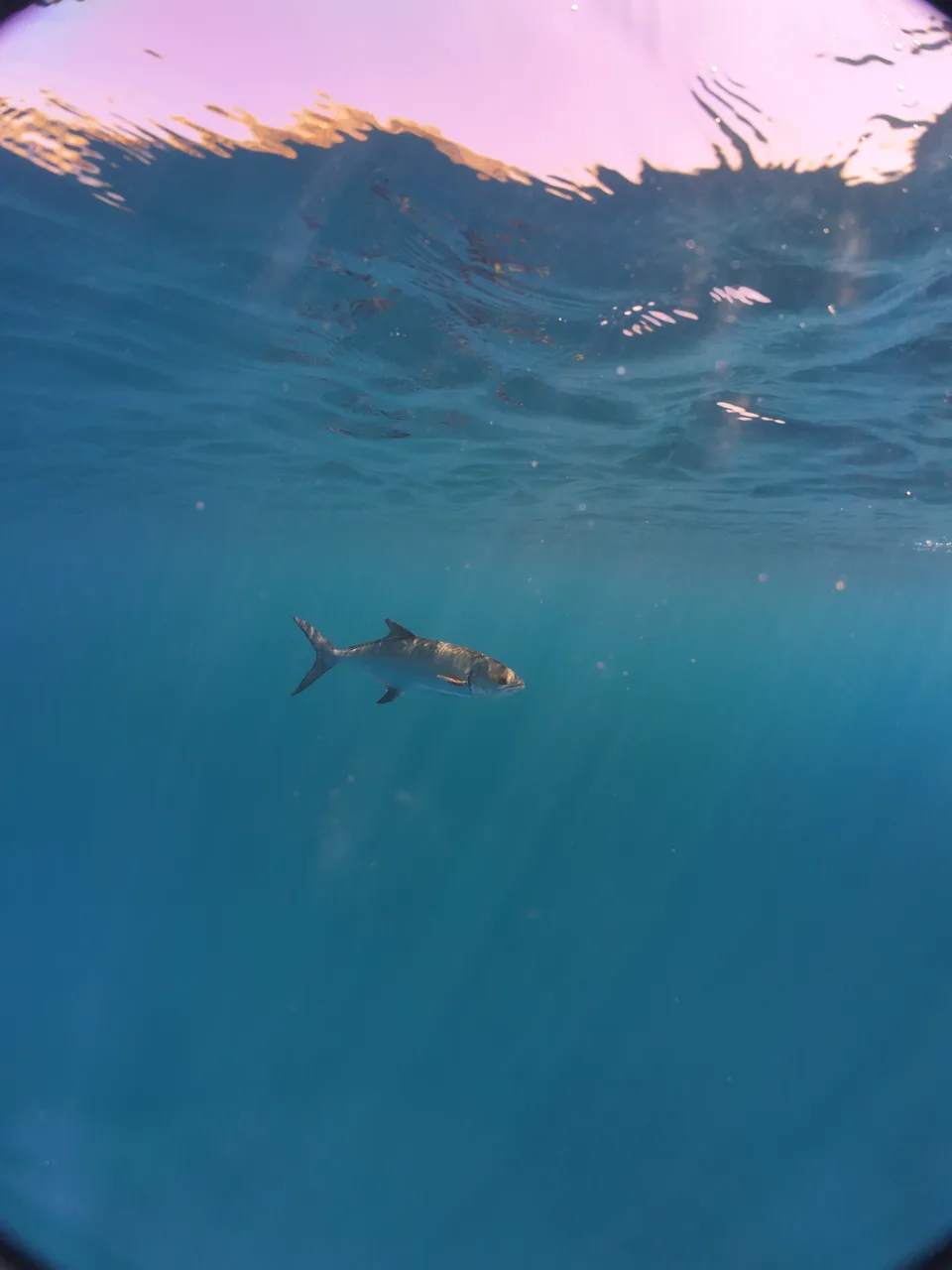
Migratory coastal pelagic fish, usually found within 500 metres of the shore. Juveniles frequently inhabit estuaries and turbid coastal waters.
Distribution
Mediterranean Sea, eastern Atlantic from western France to South Africa, Red Sea and western Indian Ocean.
Conservation status
Least Concern
Edibility
Edible and highly regarded for its firm flesh. Consume only fresh, properly handled fish and cook thoroughly when food-safety risks are uncertain.
Culinary quality / 5
4
Danger level
Harmless
Usual observation depth
?–50 m
Lifespan (years)
11
Behaviour
Active and fast coastal pelagic predator. Adults live alone, in pairs, or in small groups; juveniles may form schools. The species often patrols the surf zone and shallow coastal waters to hunt.
Observation zones
Open water near coasts, surf and beach zones, sandy shoals, estuary mouths, bays, as well as offshore reefs or pinnacles.
Diet
Feeds mainly on small fish, notably schooling coastal fish, but also consumes cephalopods and crustaceans.
Reproduction
Oviparous
Identification marks
Large carangid with a deep, laterally compressed body, a steep forehead, a large oblique mouth, and long, sickle-shaped anterior lobes on the dorsal and anal fins. Adults are silvery gray to bluish above and pale below; juveniles often display darker vertical bars.
Similar species
May be confused with amberjacks (species of Seriola) or other carangids. Lichia amia has a distinctly deeper body, a more abrupt forehead and long sickle-shaped lobes on the dorsal and anal fins; amberjacks are generally more elongated and often have a dark band across the eye.
Approach rules
Approach slowly from the side, keeping several meters away. Do not pursue, encircle, touch, or feed the fish, and do not block its path. Avoid flash photography or use it sparingly.
Protection
Listed as Least Concern globally on the IUCN Red List. It is not listed under CITES. Fisheries management and any potential catch restrictions vary by jurisdiction.